Engineering with Product Vision
I view the interface as a living extension of the architecture, not just a container for it. My approach is defined by the intersection of technical precision and strategic design.
Informed by two decades as a visual artist across abstraction, design, and representational art, I treat software as a craft where aesthetics and performance are inseparable. As a Full-Stack Engineer and Technical Product Manager, I design the experience around each feature, balancing complex backend logic with intuitive frontend strategy. To me, good design is a functional requirement—it is the bridge that invites a user to explore, stay curious, and engage with a system.
How I Got Here
My path to software was paved through disciplines that rely on structure, perception, and rigorous practice:
- Artist & Draftsman: I've spent most of my life as a visual artist. Drawing and painting, then moved into digital art, motion graphics, and light VFX work. My background informs my development process. I approach engineering the same way I approach a canvas: I start with a rough sketch to organize the chaos, follow an impression, and refine until the composition and tone work, in this case, until the system works.
- Linguist: I worked as a Spanish interpreter from 2005 to 2024. It taught me to think about communication and clarity. In my UI work, I lean toward icons and visual cues over text-heavy interfaces. I use symbols to bypass language barriers, using words only where they provide the most critical clarity.
- Martial Artist: I've practiced Okinawan Goju Ryu for the better part of my life, long enough that I inevitably ended up teaching. The discipline and structure required to excel in traditional training directly influenced my engineering workflow and my workflow in general. I model software the way I model traditional training—through structure, progression, and continuous growth and refinement.
Recent Work
Most of my projects combine 3D graphics, interactive UI, and full-stack development. Here are a few highlights:
La Dolce Vita
A luxury vacation rental platform built for a real client. The centerpiece is an AI concierge chatbot powered by GPT-4o and grounded in live property data via Google Sheets API — capable of answering multilingual guest questions dynamically. I built a natural language date parser and an iCal availability checker that syncs directly with the client's Airbnb calendar, so the bot always knows what's booked. React frontend on Vercel, Express backend on Render, full CI/CD pipeline.
Stack: React • Express • OpenAI • MongoDBPneuma-AI
A multi-LLM system where LLMs call other LLMs as tools. Haiku classifies intent and judges the finished response. OpenAI embeddings route the query to archetypes. Sonnet generates. 44 philosophical archetypes are defined, 39 carry embeddings for semantic routing, and a tension map of 98 pre-mapped pairs forces them into dialectical collision. Archetype momentum decays between sessions, so the weights shift and the voice moves without being hard-coded. Memory runs in three layers: vector embeddings for semantic recall, structured cross-session memory, full conversation persistence. A cheap judge model scores each response. Below threshold, Pneuma-AI wipes the half-streamed message off the user's screen and regenerates with the critique injected. The critique appends to the volatile half of the system prompt, so the retry keeps the cache hit.
Collision Engine: 98 archetype tension pairsArchetope
Five AI agents build a shared civilization together, one tick at a time. Each agent is a Tarot archetype crossed with a Myers-Briggs cognitive style, with its own LLM, persistent memory, and a running relationship score with every other agent. Nothing in the code tells them what to disagree about. The Tower and The Hierophant settled into a stable rivalry on their own. The group's build target escalated from sorting raw materials to a spacetime-bending drive. Adding a fifth agent, The Emperor, produced the first negative relationship shift: it docked a peer's trust and installed a kill-switch before letting the group continue. Node.js and Express run the tick loop, PostgreSQL holds memory and world state, Claude API drives cognition.
Stack: Node.js • Express • PostgreSQL • Claude APIPneumata
An interactive 3D anatomical model that maps the human body to computer hardware. The heart is the power supply, the spinal cord is the PCIe bus, the kidneys are the virtual memory manager. 37 organ nodes are placed at runtime from vertex-sampled coordinates on the GLB mesh, each assigned to one of 8 categories. 24 vertebral disc markers are auto-traced along the spine and color-coded by the organ system each level innervates. Hover an organ and its spinal lanes light up. Hover a disc and its organs respond. Four view modes: Logic, Power, Breathing, Unified. Live at pneumata.vercel.app.
Stack: React • React Three Fiber • Three.js • SCSSManifold
A gamified 4D geometry exploration platform. Users manipulate 24 hyperdimensional shapes—tesseracts, quantum manifolds, Hessian polychorons—and save configurations they find appealing. Each save unlocks animated 3D characters (Icarus-X, Vectra, Nexus-Prime) that I modeled and rigged, creating a feedback loop that rewards curiosity. Full-stack with React Three Fiber, MongoDB, JWT auth, and audio-reactive visuals driven by real-time FFT analysis.
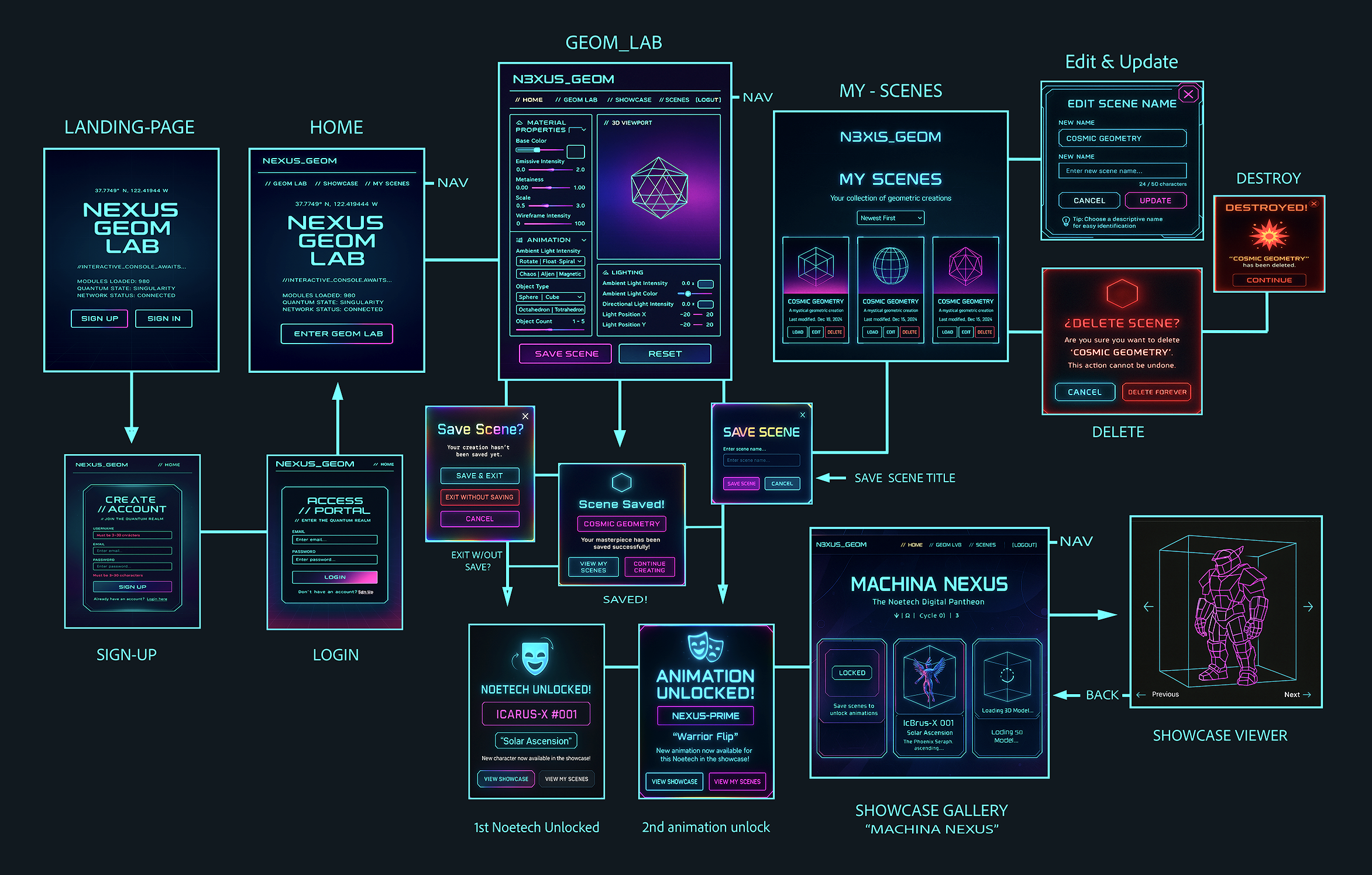 The Architecture
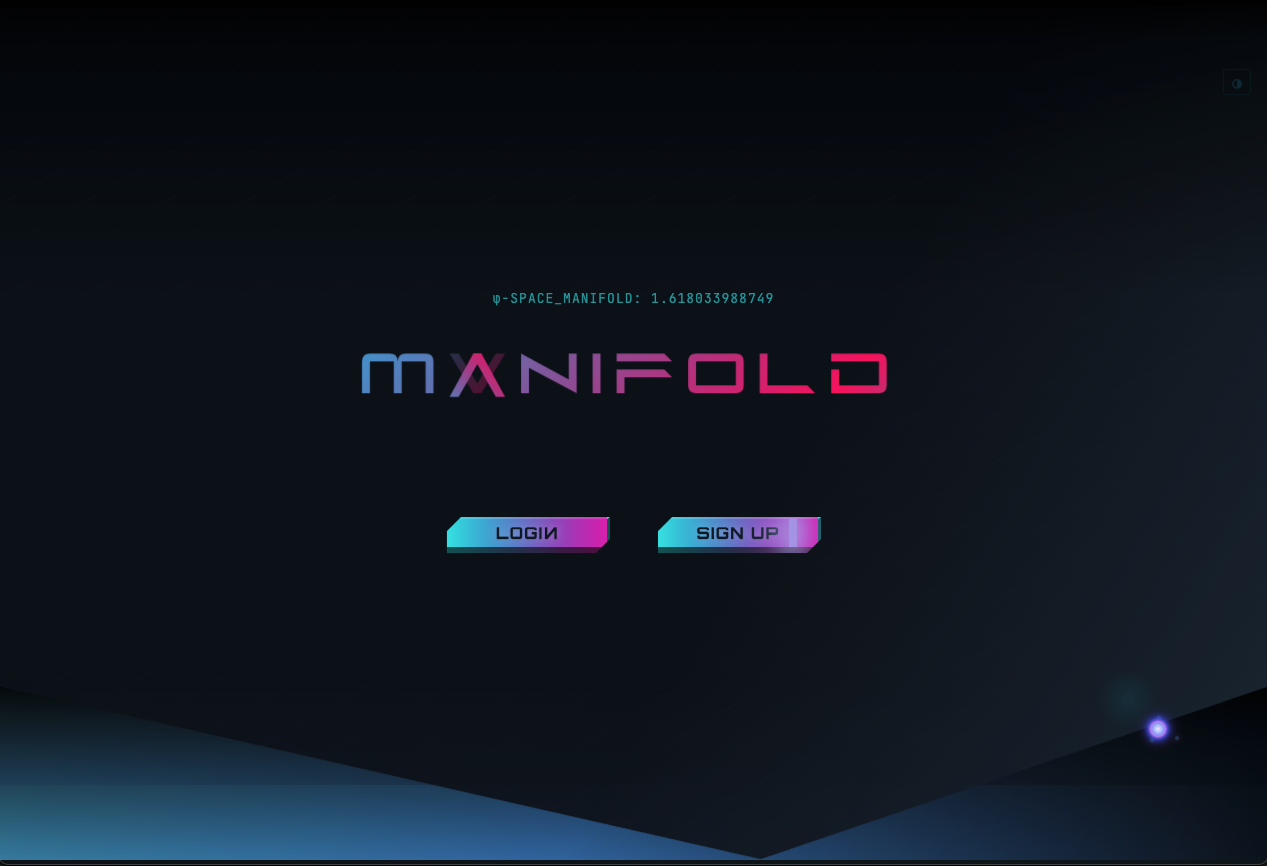 The Execution
INSTVNCE Blog
A self-hosted developer blog built to feel like the work. Every
post is an instance — deployed, active, terminable. The interface
is a neopunk terminal: CRT scanlines, holographic chamfered cards,
and floating 3D metallic { } braces rendered in WebGL
via Three.js. Full Markdown support with syntax-highlighted code
blocks. You AIM to publish, you TERMINATE to
delete.
Dojo — Requirements Engine
A full-stack app modeling traditional Goju-Ryu martial arts curriculum—tracking kata, bunkai, and kumite progression. Built with React and Django, featuring soft-delete recovery and form validation to maintain data integrity across training records.
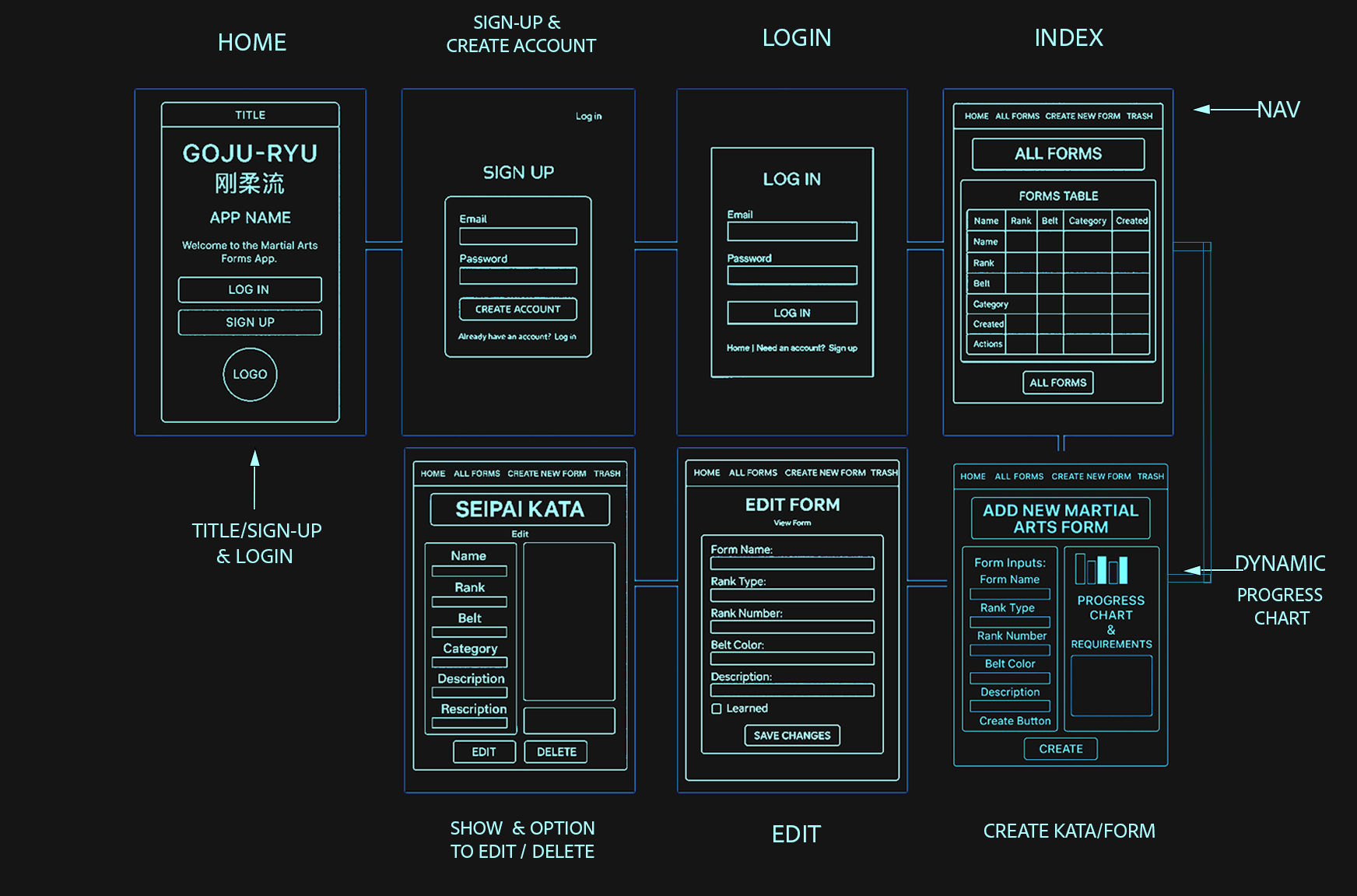 The Architecture
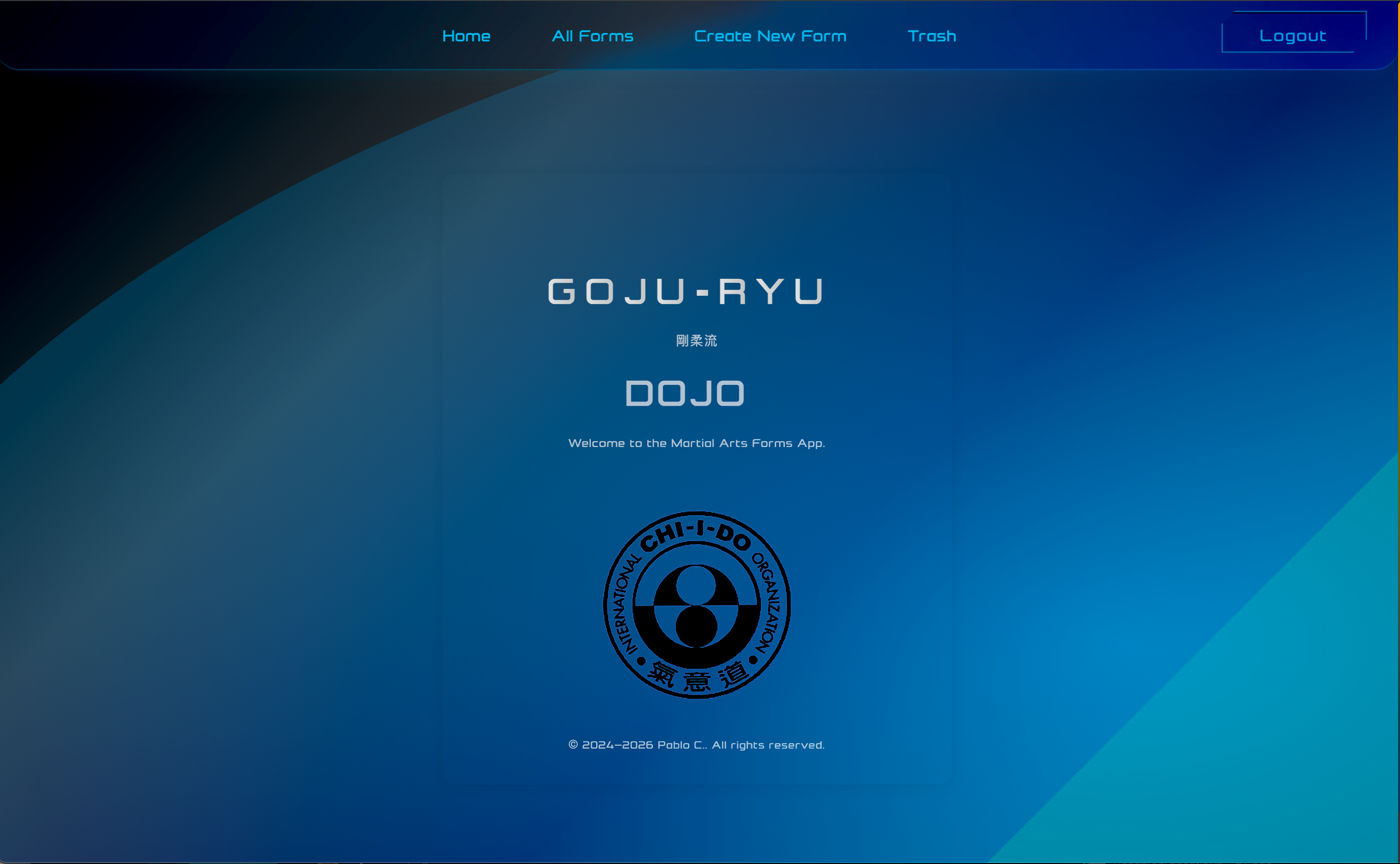 The Execution
NUMENEON — Full-Stack Engineer & UI Lead (Capstone)
A full-stack social media platform built with a 4-person team. I served as Technical Product Manager and UI Lead — defining the product roadmap, writing pseudocode specs, sizing tasks across XL/L/M/S tiers, and directing the SCSS design system. The main feature is a 3-column "River Timeline" designed to solve digital congestion by displaying content in parallel currents, keeping the feed from feeling overwhelming.
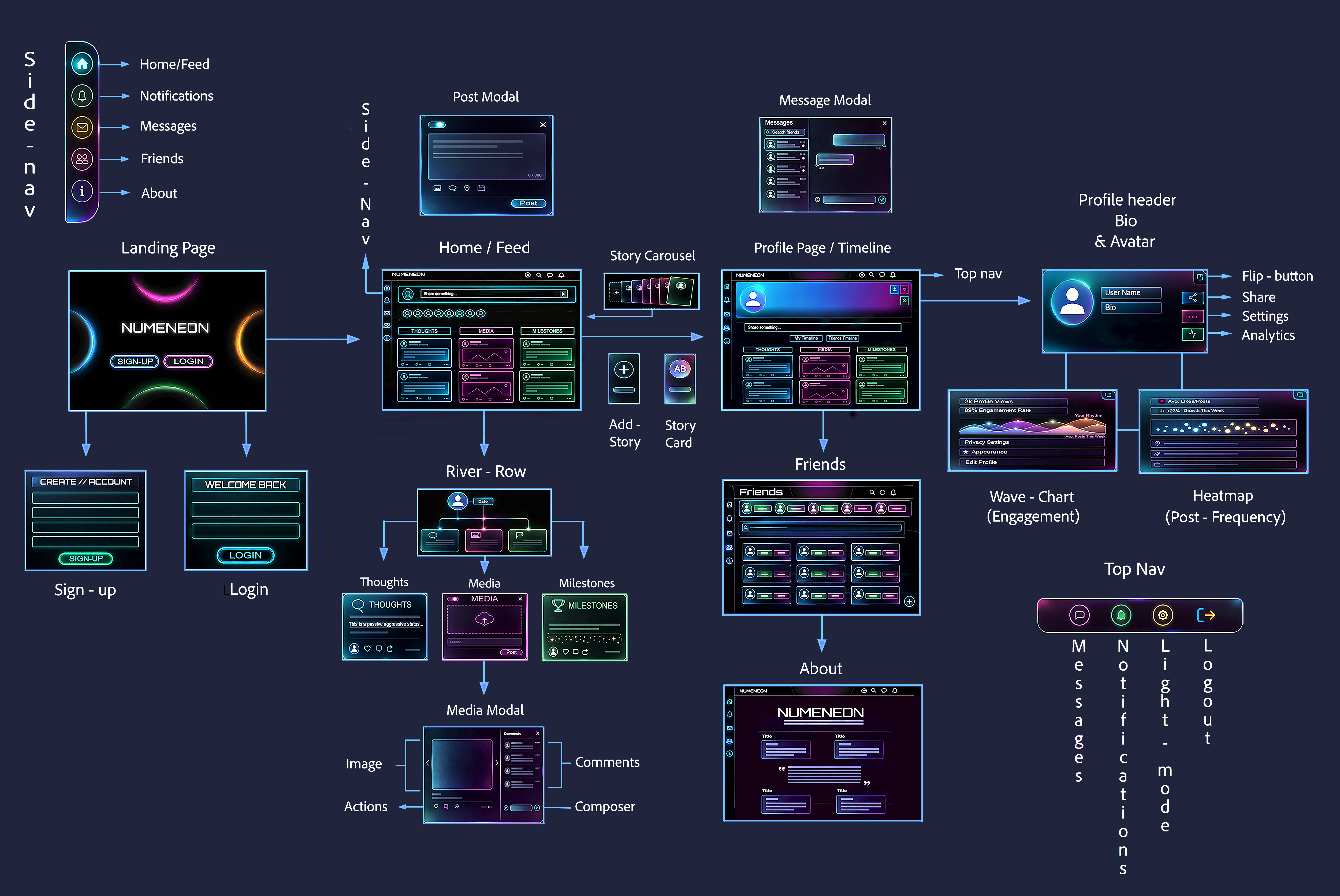 The Architecture
 The Execution
Development Velocity
Over the past year, I've built around 43 projects. Most began as experiments or assignments, but I used them as a way to put into practice what I had just understood while it was fresh. Some became full apps; others spawned new projects as byproducts. I focus on taking the basic bounds of a task and discovering how to push the creative limits of the architecture. It's about turning chaos into something that works.
What Pulls Me Toward AI
The throughline across my life is structure in service of something that isn't fully controllable — a composition finding its own balance, and a translation finding the sense underneath the words. AI is the first medium I've worked in where I can build the structure and then watch something emerge from it that I didn't script. Pneuma-AI routes a query through 44 philosophical archetypes and forces tension between them before it answers. I designed the friction. The resolution stays open. Archetope gives Tarot archetypes crossed with Myers-Briggs types real memory and a shared world, then watches unscripted rivalries and alliances fall out of the pairing alone. What draws me to AI is what happens when you give a system enough structure to think and then get out of its way.
AI Engineering Practice
I work with AI coding assistants the way a careful engineer should. I built infrastructure around them.
The reason is straightforward: AI assistants are fast and capable, but they make mistakes that are easy to miss if you're moving quickly. A hardcoded API key in a commit. A function that got corrupted during a large edit session. A pattern that's inconsistent with the rest of the codebase. These aren't hypothetical — they're things that happened and that my tooling caught.
The setup takes maybe ten minutes to explain but it changes the risk profile of working with AI significantly. The AI writes code. The infrastructure reviews it. I make the calls.
/audit):
A slash command that points at any file and returns a
structured analysis: is this doing too much? Is this logic
duplicated? Is there dead code nobody calls? Read-only — it
reports, never modifies. This is what caught a template
literal corruption that silently consumed 400 lines of code as
a string — the kind of error grep and linters miss
entirely.